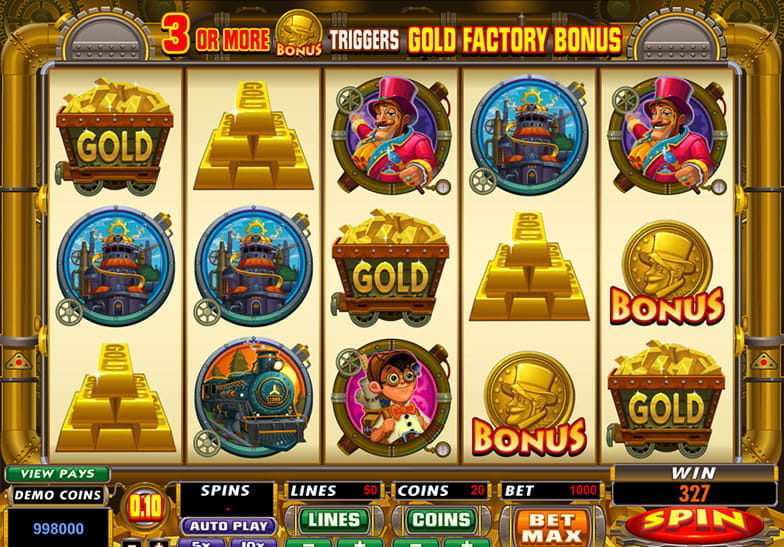
Online entertainment and learning resources can sometimes intersect in surprising ways bookof.eu.com. This article explores one concrete example: the possibility of building educational content based on the Book of Tut slot machine game for young people in the UK. The game is an adult product, but its setting is a intricate, if artistic, version of Ancient Egypt. That setting is a compelling starting point for lessons about history, mythology, and archaeology. The goal here is not to advertise gambling. It is to take a digital theme many young people might recognize and use it to spark real interest in the real past. By analyzing the game’s symbols, implied story, and environment, teachers and creators can build resources that turn a passing glance into focused study. This method aligns with the digital world young people know, but points their attention toward structured, useful learning about an ancient culture.
Exploring the Theme: Ancient Egypt Beyond the Reels
Book of Tut is filled with images derived from Ancient Egyptian art and mythology. Teaching tools can commence by demonstrating the gap between the game’s artistic representation and the actual historical evidence. Every icon on the screen is a possible lesson. The scarab beetle, the Eye of Horus, the ankh, and gods like Tutankhamun can each open a door to a theme. A lesson could examine the scarab’s real significance as a symbol of renewal and the god Khepri, then compare that sacred role to its function in the game as a wild symbol. The “Book” mechanic, which starts free spins with a special expanding symbol, leads naturally to conversations about the authentic Egyptian “Book of the Dead.” Students can understand its purpose was to guide spirits in the afterlife, and how specialists today labor to interpret such documents. This exercise builds critical thinking. It prompts students to examine how popular media reshapes history for its own aims.
Using Symbols to Curriculum: Building Lesson Hooks
Good teaching materials need firm starting places. The game’s visuals and sound, its pyramids, hieroglyphic motifs, and mysterious music, can present subjects like Egyptian building, writing, and religion. One lesson plan might have students study the real Valley of the Kings, then compare its complex layout to the simple tomb shown in the game. Another activity could utilize a basic hieroglyphic alphabet to translate a short expression, revealing the difficulty real scribes experienced versus the game’s decorative writing. Using the slot’s mood as an initial hook aids teachers link passive screen engagement with active exploration. It turns a distant society seem immediate and fascinating to a group that lives online.
Decoding Game Mechanics as Mathematical Concepts
The design is one thing, but how the game works is built on mathematics and probability. Tools for older teenagers can draw out these ideas to explain statistics, risk, and how algorithms function. We must steer clear of simulating gambling. But we can explain the basic maths behind random number generators, the idea of Return to Player (RTP) as a long-term statistical average, and what the house edge represents. This clarifies how these games operate and substitutes it with numerical understanding. These concepts can be positioned in wider contexts. Teachers can relate them to probability in daily life, the statistics used in archaeological research, or the algorithms that influence our digital experiences. The result is a more mathematically literate, questioning mindset.
Likelihood, RTP, and Critical Life Skills
A specific teaching module could dissect the game’s “expanding symbol” feature during its free spins round. This is a straightforward way to talk about dependent and independent events in probability. Critically, a plain explanation of the game’s RTP is possible. RTP is the theoretical percentage of all money wagered that a slot rewards over an immense number of spins. This fact is a foundation lesson in financial literacy and the maths of negative expectation systems. Materials can compare this with positive expectation investments, initiating a bigger conversation about judging risk and reward in money matters. The aim is to give young people with the analytical skills to see the mathematical guarantee of loss in these systems. This fosters decisions based on logic, not on a game’s exciting theme or a impression.
Narrative and Mythology: The Stories Behind the Game
The title “Book of Tut” implies a story, and Egyptian mythology is rich with them. Learning resources can transition from the game’s thin plot to the huge collection of Egyptian myths. Tutankhamun himself, a fairly minor pharaoh in history, is a portal to the New Kingdom, the Amarna period, and the return of traditional gods. Other symbols allude to deeper tales. The gods and goddesses indicate the epic stories of Osiris, Isis, and Horus, the fight between Horus and Set, and the journey of the sun god Ra. Resources that trace these myths, maybe through interactive stories or comparing them to other world legends, deepen a student’s sense of cultural heritage. It also lets a class investigate how narratives about the past are shaped, both by the ancient Egyptians and by modern media like games.
Archeology and the Reality of Finding
The Book of Tut uses a common treasure hunt concept. This can be effectively turned toward the true science of archaeology. Teaching resources can use the game’s notion of finding a hidden tomb to explain the thorough, slow, and often mundane truth of archaeological work. A module could focus on Howard Carter’s discovery of Tutankhamun’s tomb. It would stress the years of systematic digging, the careful recording of each object, and the team of specialists taking part. This actual situation is nothing like the instant prize the game presents. Materials can also tackle current questions. These cover the ethics of cultural heritage, returning artefacts to their original countries, and using tools like ground-penetrating radar that do not need digging. This teaches more than history. It fosters respect for scientific method and cultural preservation, and it might ignite career interests in history, science, or conservation.
From Virtual Treasure to Scientific Method
A practical classroom activity could include a mock archaeological dig or a virtual tour of a museum collection highlighting objects from Tutankhamun’s tomb. Many of these objects show up as stylised symbols in the game. Students can study the golden mask, the ceremonial chariots, and the ordinary items placed for the afterlife. They discover their purpose was spiritual, not their value as “treasure.” This changes the focus from getting rich to understanding meaning. Lessons can also investigate how modern science studies these finds. DNA tests and CT scans of mummies have taught us about Tutankhamun’s family, his health, and how he died. This demonstrates history is a live subject. New tools let us raise fresh questions of old evidence, a process far distant from the fixed, prize-focused story of a slot machine.
Digital Skills and Media Deconstruction
Making learning content about a slot game is by itself a lesson in media literacy and analytical thinking. Educational tools should enable young people to deconstruct the game’s mechanics. This requires looking at how sound, graphics, and reward structures, like close calls and special rounds, are engineered to create a compelling and potentially sticky interaction. Conversations can relate these psychological tactics to those found in other digital spaces, like platform alerts or in-game rewards. By revealing how the structure functions, teachers assist young people to view all digital content with greater scrutiny. This section must clearly differentiate enjoying the creative theme from seeing the marketing and psychological apparatus behind it. The objective is a smart scepticism and a more conscious way of navigating the digital world.
Safe Gambling Learning Through Thematic Context
For a UK audience, where gambling ads are common, these materials need straightforward, age-suitable details about the harms gambling can cause. Using the game as a concrete example makes these discussions easier. Resources can detail the legal age limit, that gambling is paid entertainment with a certain long-term loss, and the indicators of a problem. This education is about the wider product category, not just this one game. Working with groups like GamCare or YGAM, materials can provide facts about the UK’s gambling scene, its regulations, and where to find help. The familiar face of Book of Tut acts as a relevant anchor for these important discussions. It makes general warnings about gambling more solid and easier to remember for teenagers nearing adulthood.
Curriculum Integration and Material Formats
To be useful, educational materials must fit into a teacher’s real world. This means connecting content to specific parts of the UK National Curriculum. Key areas include History (Ancient Egypt), Maths (Probability and Statistics), PSHE (Responsible Decision-Making), and Citizenship (Digital Literacy). Resources should be available in different shapes. Lesson plans with quick starter activities, slide decks with comparison images, short videos, and interactive worksheets are all suitable. The materials must be flexible. They could be a mini-module inside a bigger Egypt topic, or a standalone PSHE workshop. Providing clear aims, ideas for assessment, and links to trusted sources like museum sites makes the resources trustworthy, credible, and straightforward to use in different schools and colleges.
Adapting for Different Age Groups
The material’s detail and approach must change for Key Stages 3, 4, and 5. For younger students at KS3, the main focus would be the history and culture, using the game’s pictures as a fun way into Egyptian life. For GCSE students at KS4, the maths and probability parts can be more structured, and media analysis can go deeper. For sixth formers at KS5, discussions can cover the ethics of using history to sell gambling, the brain science behind game design, and advanced archaeological techniques. Each level must keep the core idea: use recognition to enable learning, while strictly avoiding any hint of promotion. The materials must be secure, educational, and suitable for each age.
Building educational content around the Book of Tut slot is a effective, modern tactic to reach UK youth. By directing the familiar images and themes of a popular game into organised study, teachers can bring to life the history of Ancient Egypt, demystify the mathematics of chance, and build essential skills for questioning media and gambling. The final goal is to convert a casual digital reference into a multi-part learning instrument. It gives young people insight, analytical tools, and a solid understanding of the digital world they live in. This method is based on a simple principle. Good education today often starts by finding students where they already are, then directs them toward deeper knowledge and thoughtful choices.