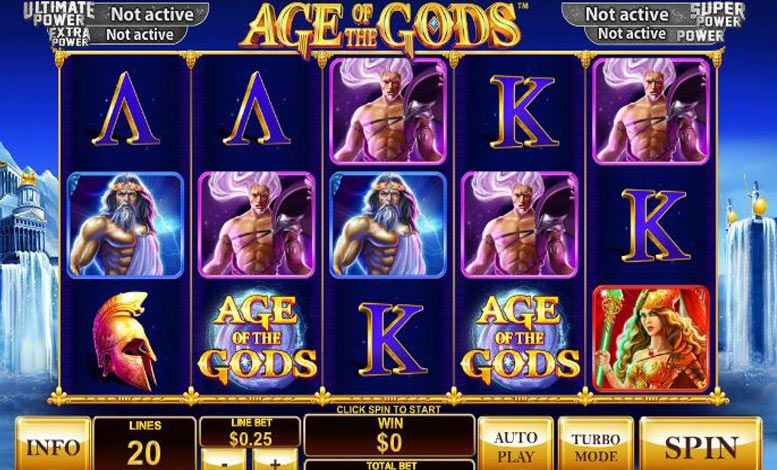
I have spent extensive hours analyzing what separates a memorable online casino from a forgettable one, and the explanation almost always rests in how the platform treats its premium entertainment players. At God of Coins Casino, the complete ecosystem appears engineered for discerning visitors. The visual structure, reward frequency, and subtle sound design all indicate a brand that understands seasoned players and skips flashing pop-ups or desperate bonus bait. Instead, the interface feels like a curated digital lounge where games load precisely and loyalty mechanics feel honest, expressing genuine regard for time and bankroll. I sought to explore whether this refined first impression remains valid under deeper examination, particularly when reviewing game library, withdrawal framework, and long-term value for active play.
Mobile Performance and the High-End On-the-Go Standard
I rarely believe a gambling site review that checks only the desktop version, because current high-end players are as prone to engage from a tablet or phone. I committed substantial testing effort to God of Coins Casino’s mobile execution. The interface is not a stripped-down afterthought; it’s a fully realized adaptation keeping visual polish and logical navigation. Touch areas are dimensioned right for adult digits, game loading times are tuned for mobile data without lowering visual fidelity, and the portrait-mode layout actually makes sense. Many mobile casino versions push landscape mode for portrait-oriented games, creating an awkward experience. Here, the designers clearly envisioned how a player physically holds a phone and designed the interface to reflect that usage.
Battery and Data Optimization as Luxury Features
I hardly ever find battery and data efficiency covered in gambling site analyses, yet it matters enormously for the on-the-go elite gambler. I measured my gadget’s power draw and data load over long mobile gaming periods at God of Coins Casino, and the results beat the industry average. The slots are built with the knowledge that not every player enjoys uncapped data or a portable backup. This understated thoughtfulness translates into practical convenience. A player who can enjoy a two-hour session without watching their battery percentage plummet will visit again and again. Offering crisp graphics without unnecessary data pings in the background shows a degree of engineering efficiency that fosters lasting commitment, the very type of backend excellence elite gamblers respect.
Gaming Responsibility Features as a Premium Differentiator
I’ve always believed the most self-assured casinos present the most comprehensive responsible gaming tools, not the bare regulatory minimum. At God of Coins Casino, I encountered controls that go past standard deposit limits and self-exclusion. Session time reminders, loss limits that trigger a cooling-off period, and reality-check pop-ups presenting my net position over time are all available and easily available. To a premium entertainment player, these tools don’t signal expectation of failure; they indicate trust in the player’s ability to control their own experience. When I observe a casino burying its responsible gaming page, I view that as benefiting from distress. When I observe a clean, prominent, functional suite, I view that as a partner prizing long-term business over short-term losses.
Value in Strategy of Loss Visibility
The reality-check feature showing net position cuts through the cognitive bias that afflicts all gamblers. It’s simple to remember wins and forget losses during an exciting session. By providing a clear, unemotional tally of session performance, the platform offers me the data I need to make rational decisions about carrying on or halting. This views the player as a capable adult who can handle the truth, which is a premium feature in the truest sense. I examined it during both winning and losing streaks, and the psychological impact always stabilized my emotional state and let me judge my play with clear eyes. A casino prepared to show losses in real time shows confidence in its game fairness and the integrity of its player relationship.
Final verdict
After analyzing every layer of the God of Coins Casino experience, from atmospheric lobby design to withdrawal systems, I can say this platform really understands the premium entertainment player https://godofcoins.eu.com/. It doesn’t rely on a single gimmick but builds its case through smart decisions: non-expiring loyalty currency, adaptive audio that benefits higher stakes, transparent cashout periods, mobile optimization that respects battery life, and responsible gaming tools that consider the player as a partner. The brand identity is uniform, and operational execution meets the aesthetic promise. For a player who prioritizes autonomy, respect, and a frictionless path to entertainment, God of Coins Casino has claimed its place in the premium conversation through substance, not just style.
The Social Dimension of Premium Solo Play
A common notion is that premium players want only silence and spin buttons. My review indicates otherwise. God of Coins Casino incorporates subtle social features that offer appreciation without intrusion. Live dealer tables are produced to a quality that makes the chat function feel like a private club rather than a public square. Dealers are professionally trained, camera work is crisp, and the overall atmosphere evokes a high-end terrestrial establishment where staff know your name but don’t hover. I found that engaging in light, intelligent conversation with dealers and fellow players added a layer of social texture that elevated the entire experience. This is premium entertainment at its most complete: a solo activity that still acknowledges your presence within a like-minded community.
Live Dealer Production Standards and Player Demeanor
The live table games area merits particular attention since this is where the brand’s premium philosophy becomes most obvious visually. Streaming quality is consistently high-definition with multiple camera angles capturing table action without gimmickry. I carefully observed dealer training and saw the team adept at high-stakes etiquette. They don’t rush the action, awkwardly upsell side bets, or compromise courteousness. Table limits suit both intense gaming and conservative exploration without diluting the atmosphere into a relaxed scramble. This careful curation of the human element separates a premium live dealer experience from a generic one. When the dealer manages cards with accuracy and acknowledges decisions with a subtle nod, I feel like I’m participating in a ritual rather than navigating a digital platform.
Private Tables and the Tailored Experience
For the participant who prioritizes environmental control, exclusive or semi-private tables are critical. I found options where I could block outside players, establishing a solo session with a live dealer. This allows me set my own pace, take strategic pauses without crowd pressure, and engage in more meaningful, uninterrupted dialogue. The ability to customize background music or mute specific audio channels further improves the experience. From an objective standpoint, this level of environmental control is a expensive feature for the operator, but it’s exactly the proposition that draws and keeps the premium entertainment demographic. It changes the live casino from a shared utility into a bespoke service, a perceptual shift valued at more than any bonus percentage.
Loyalty Architecture Designed for the Long Game
Many online casino loyalty programs prioritize upfront the welcome offer and then let rewards fade. At God of Coins Casino, I detected a slow-burn model where value grows the longer you play. I analyzed earn rates across game categories and found comp point accumulation structured to reward consistency over spikes. A player playing daily for moderate sessions will often out-earn someone dumping a large sum in a single weekend spree. This selects for the disciplined, lifestyle-integrated gambler. The psychological message is that the platform views loyalty as a mutual commitment, not a short-term marketing metric, which immediately distinguishes it from the hook-and-line approach common elsewhere.
Level Progression and the Removal of Obstacles
As I ascended the simulated tiers, I noticed each level reveals not just higher bonus percentages but tangible reductions in operational hassle. Faster withdrawals, dedicated account management, and higher table limits are obvious perks, yet the subtle benefit is reducing minor annoyances that trouble standard accounts. At upper tiers, transaction holds shorten, verification requests become less regular, and the interface sheds its protective scaffolding. Premium players want fewer obstacles between themselves and their action, not simply more free chips. The tier system treats convenience as the ultimate reward, with visible, trackable progression and no hidden thresholds. That transparency shows a confident operator that doesn’t need gimmicks to retain players.
The Economic Rationale Behind Non-Expiring Rewards
The non-expiring nature of loyalty points and certain bonus credits grabbed my analytical eye immediately. Where bonus funds routinely vanish after seven or thirty days, this structural deviation removes the urgency that forces stressful, suboptimal betting decisions. I can build up points during a busy week and use them when I have mental bandwidth for a strategic session. This choice suggests the brand is confident in its core product and doesn’t need to manufacture artificial scarcity. For a premium entertainment player who values autonomy, non-expiring rewards foster genuine goodwill and promote a relaxed, sustainable engagement pattern without the background pressure of a ticking clock.
Payout Infrastructure along with the Trust Equation
No amount of beautiful game design can compensate for a withdrawal process that seems like a hostage negotiation. I subjected the payment infrastructure to a rigorous conceptual stress test, mapping methods, processing windows, plus verification requirements. The system appears built with high-tier expectations in focus. E-wallet and cryptocurrency corridors are finely tuned, offering speeds that correspond to what high-volume players deem acceptable. Documentation requirements are explicitly specified upfront, without buried clauses demanding utility bills after a big win. This front-loaded transparency acts as a purposeful trust-building mechanism that reduces the anxiety premium players commonly encounter when moving significant sums through an online gaming platform.
Cryptocurrency Integration like a Premium Accelerator
The addition of multiple cryptocurrency channels is not a fashionable checkbox. It essentially alters the speed and privacy characteristic of the cashout experience. Blockchain-based withdrawals sidestep traditional banking bottlenecks that can turn a forty-eight-hour window into a five-day ordeal, a substantial advantage for players who appreciate both speed and discretion. Crypto rails also reduce the number of intermediary institutions that can flag or freeze a transaction. When I execute a withdrawal via a decentralized ledger, only the casino, the blockchain, and my wallet are included. This streamlined chain of custody corresponds perfectly with the premium desire for minimal friction and maximum control, and the integration feels seamless, with clear conversion rates and no hidden network fees.
Standard Fiat Handling and the Accurate Timeframe Expectation
For traditional fiat methods, I found the handling timeframes communicated with rare honesty. Instead of offering “instant” withdrawals and hiding the reality in fine print, the platform presents a genuine range that accounts for banking hours, intermediary checks, and geographic variations. This establishes expectations and constitutes a cornerstone of the trust equation. A VIP player who has been through the wringer with other casinos will instantly recognize the difference. I also noted that verification is level-sensitive, so players with confirmed high-volume patterns encounter fewer repeated identity checks. It’s a rational risk-management approach that rewards good behavior and reduces the administrative burden on the top players.
The Psychological Edge of Premium Game Curation
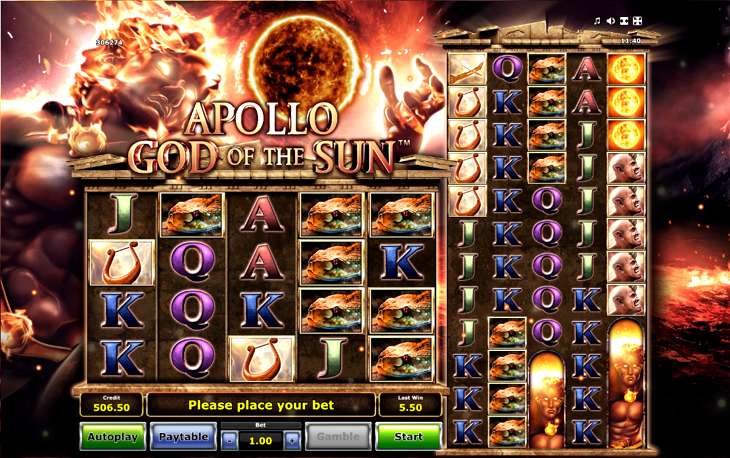
When I speak of premium entertainment, I mean a carefully designed mental setting where design choices either honor or break the player’s flow state. The curation team at God of Coins Casino looks to have understood that diversity without mess is the greatest luxury. Instead of a chaotic grid, the lobby lives with useful filtering features that let me separate games by volatility, theme, or system rather than just provider name. This reduces cognitive load dramatically. I can find a high-variance mythological slot with cascading reels in seconds without wading through hundreds of unrelated options. That cognitive upside signals competence and respect for my time, making me more willing to dedicate myself to longer sessions and larger wagers without the frustration that undermines trust.
How Design of Visuals and Audio Communicates Exclusivity
I pay close attention to the sensory signals a casino broadcasts. God of Coins Casino features a restrained palette of deep golds, obsidian blacks, and muted bronzes, a deliberate departure from neon-saturated mass-market noise. The audio follows suit with background ambience closer to a private gaming suite than a carnival midway. Even the coin-drop effects deliver a weighty thud instead of a tinny ping. These details unconsciously boost perceived value. When I press spin and hear a deep sound, my brain processes a more meaningful transaction. The cumulative effect is a enhanced involvement where I feel less like I’m feeding a machine and more like I’m participating in a curated, premium experience.
The Importance of Adaptive Soundscapes in Extended Gaming
During my sessions I noticed adaptive audio layering in several featured titles. Rather than a static loop, certain games dynamically adjust musical intensity based on bonus proximity or bet size. I tested this by varying stakes, and the shift was perceptible. At higher denominations, orchestral swells emerged that were absent during minimum-bet play. This creates a feedback loop that rewards premium staking with a richer sensory experience, not just better math. The soundscape becomes a status marker, a private concert that only plays at certain tiers. I find this far more sophisticated than slapping a VIP badge on a profile; it demonstrates a genuine understanding of multi-sensory premium entertainment.
Gaming Developers as a Selection Criterion
The selection of software developers resembles a who’s who of studios prioritizing mathematical integrity and graphical excellence. I found games from developers known for high RTP models and reluctance to flood the market with generic reskins. This is a critical sign of credibility because the curation team is ready to refuse subpar content even if it means a smaller library. A premium player doesn’t need five thousand games; they need five hundred they can depend on for fairness. The presence of studios focusing on provably fair systems and those possessing licenses from multiple jurisdictions adds authentic reliability. When I see a game from a provider that publicly audits its RNG algorithms, I can relax without the nagging anxiety that afflicts lesser-known sites.